Nature Trips in Indonesia: Best Eco-Friendly Adventures
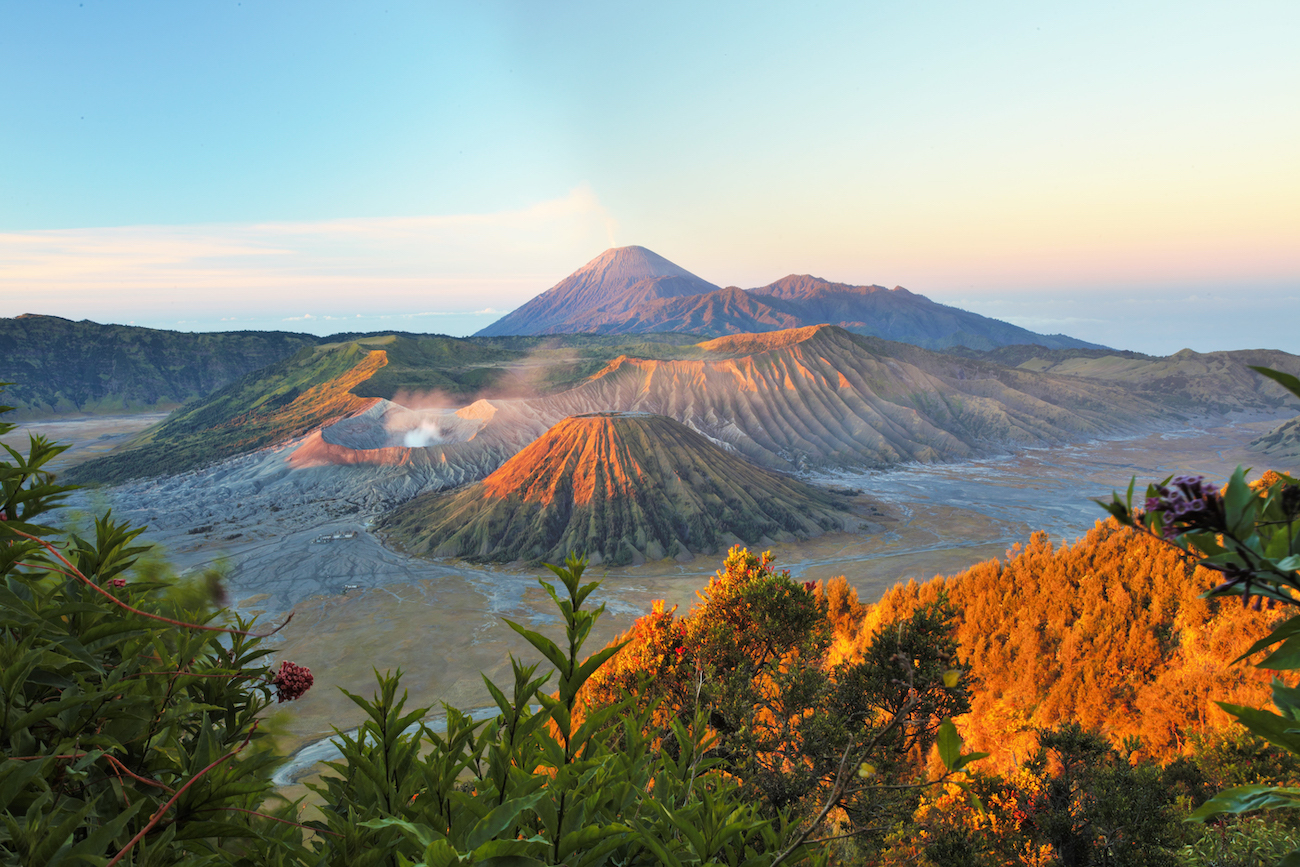
Imagine waking up to the sounds of exotic birds, the smell of volcanic earth, and the sight of lush, vibrant greenery stretching as far as the eye can see. Indonesia, a land of a thousand islands, offers just that - an escape into nature unlike any other. But how do you experience this paradise responsibly, ensuring its beauty endures for generations to come?
Often, the desire to explore the natural wonders of Indonesia clashes with concerns about environmental impact. The allure of pristine beaches and untouched rainforests is undeniable, but the potential for damage from tourism, such as pollution, habitat destruction, and disruption of local communities, looms large in our minds.
This article is your guide to experiencing the very best of Indonesia's natural beauty while minimizing your footprint. We'll explore incredible eco-friendly adventures, from trekking through national parks to diving in protected marine areas, showing you how to travel responsibly and contribute to the preservation of this stunning archipelago.
Indonesia boasts a wealth of natural treasures. This guide will highlight eco-friendly options for exploring its diverse landscapes. We'll cover destinations that prioritize conservation, responsible tourism practices, and support for local communities. From the orangutans of Borneo to the coral reefs of Raja Ampat, discover how to experience Indonesia's beauty without compromising its future. Keywords: Indonesia, eco-friendly adventures, sustainable tourism, nature trips, responsible travel, conservation.
Sustainable Trekking in Sumatra
The target of this section is to explore the eco-friendly trekking options available in Sumatra, highlighting responsible tour operators and the importance of minimizing environmental impact while hiking. It aims to provide readers with practical tips for sustainable trekking and showcase the unique biodiversity of Sumatra's rainforests.
I remember the first time I set foot in Gunung Leuser National Park in Sumatra. The air was thick with humidity, and the sounds of the jungle were almost overwhelming. We were on a mission: to trek responsibly and hopefully catch a glimpse of orangutans in their natural habitat. Choosing a locally-owned tour operator who was committed to employing local guides and minimizing waste was our first step. The trek was challenging, but incredibly rewarding. Learning about the delicate ecosystem from our guide, a man who had grown up in the forest, gave us a deep appreciation for the importance of conservation. We made sure to pack out everything we packed in, stick to marked trails, and avoid disturbing the wildlife.
Sumatra, a large Indonesian island, offers incredible trekking opportunities through its dense rainforests. However, it's crucial to choose sustainable options. Opt for tour operators who prioritize minimal impact. Look for those who employ local guides, supporting the community and providing them with economic incentives to protect the forest. Avoid tours that feed the wildlife, as this can disrupt their natural behavior and create dependency. Pack light, use reusable water bottles, and dispose of waste responsibly. The goal is to leave the forest as you found it, or even better, contributing to its preservation through your responsible choices. By choosing eco-friendly trekking, you can experience the magic of Sumatra's rainforests while ensuring their survival for future generations. Focus on minimizing waste, respecting wildlife, and supporting local communities. Choose local guides, pack out your trash, and avoid disturbing the animals.
Diving Raja Ampat Responsibly
Raja Ampat, located in West Papua, is renowned as one of the world's most biodiverse marine environments. Responsible diving practices are paramount to protect its fragile coral reefs. Divers should choose operators who adhere to strict environmental guidelines, such as avoiding anchoring on reefs, maintaining neutral buoyancy, and not touching or feeding marine life. Supporting local dive operators who are actively involved in conservation efforts is also essential. By diving responsibly, you can witness the beauty of Raja Ampat while contributing to its long-term preservation. The keywords here are responsible diving, coral reef conservation, marine biodiversity, Raja Ampat, and sustainable tourism.
Diving in Raja Ampat is an unforgettable experience, but it comes with a responsibility to protect the delicate coral reefs. The key is to choose dive operators who prioritize sustainability. Look for those who are certified by organizations like Green Fins, which promotes environmentally friendly diving practices. These operators will brief you on how to minimize your impact, such as maintaining neutral buoyancy to avoid damaging corals, not touching or feeding marine life, and properly disposing of any waste. They often support local conservation initiatives and work with communities to protect the reefs. By choosing responsible operators, you're contributing to the long-term health of Raja Ampat's marine ecosystem and ensuring that future generations can enjoy its incredible beauty. This includes avoiding touching corals, maintaining neutral buoyancy, and supporting local conservation efforts. Responsible diving protects Raja Ampat's biodiversity.
The History and Myth of Komodo National Park
Komodo National Park, a UNESCO World Heritage site, is famous for its Komodo dragons, the largest living lizards on Earth. The park's history is intertwined with local folklore, with some communities believing that humans and Komodo dragons share a common ancestor. This belief has contributed to a unique cultural understanding and respect for these reptiles. The park's establishment in 1980 aimed to protect the Komodo dragons and their habitat, as well as the surrounding marine environment. Sustainable tourism is crucial to balance conservation efforts with the economic needs of local communities. The history and myth surrounding Komodo dragons highlight the importance of cultural sensitivity and responsible tourism in preserving this unique ecosystem. Understanding the myths adds to the experience.
The history of Komodo National Park is deeply connected to the local communities and their traditional beliefs. Some legends say that humans and Komodo dragons are twin siblings, born from the same mother. This belief has fostered a sense of respect and co-existence between the people and the dragons. The park's establishment was a significant step in protecting the endangered Komodo dragons and their fragile ecosystem. However, it's crucial to ensure that tourism benefits the local communities and doesn't disrupt their way of life. Supporting local guides, buying locally made crafts, and respecting the local culture are all ways to contribute to sustainable tourism in Komodo National Park. By understanding the history and myths surrounding the park, we can appreciate its cultural significance and contribute to its long-term preservation. The key is cultural sensitivity and respecting local traditions.
Uncovering the Hidden Secrets of Way Kambas National Park
Way Kambas National Park in Lampung, Sumatra, is a haven for endangered Sumatran elephants. The park has a long history of elephant conservation efforts, including a training center for captive elephants. However, Way Kambas also holds hidden secrets, such as its diverse birdlife and less-explored areas of pristine rainforest. Visiting Way Kambas offers a chance to witness elephant conservation in action and discover the hidden gems of this national park. Responsible tourism can support the park's conservation efforts and provide economic opportunities for local communities. The hidden secrets of Way Kambas lie in its biodiversity.
Way Kambas National Park, while known for its Sumatran elephants, holds many hidden treasures for nature enthusiasts. Venture beyond the elephant training center and you'll discover a wealth of biodiversity, from rare bird species to secluded waterfalls hidden deep within the rainforest. The park is also home to other endangered animals, such as the Sumatran rhinoceros and the clouded leopard. Exploring Way Kambas requires a sense of adventure and a commitment to responsible tourism. Hiring a local guide is essential for navigating the park and learning about its unique flora and fauna. By supporting local communities and respecting the environment, you can uncover the hidden secrets of Way Kambas and contribute to its conservation. Responsible travel unveils the park's hidden gems.
Recommended Eco-Lodges in Kalimantan
Kalimantan, the Indonesian part of Borneo, is a land of vast rainforests and diverse wildlife, including orangutans. Staying in eco-lodges is a great way to experience the region's natural beauty while supporting sustainable tourism. These lodges often prioritize environmental conservation, employ local staff, and offer educational programs about the rainforest. Choosing an eco-lodge ensures that your visit benefits the local community and minimizes your impact on the environment. The recommendation is to choose eco-lodges for sustainable tourism.
When exploring Kalimantan, choosing the right accommodation is key to a sustainable experience. Eco-lodges offer a way to immerse yourself in the rainforest while minimizing your impact on the environment. These lodges often prioritize using sustainable building materials, conserving water and energy, and supporting local communities. Some even have their own conservation projects, such as reforestation programs or wildlife monitoring initiatives. By staying in an eco-lodge, you're not only enjoying a comfortable and authentic experience but also contributing to the long-term preservation of Kalimantan's natural beauty. Research and choose lodges with strong sustainability practices.
Supporting Local Communities Through Tourism
Sustainable tourism is not just about protecting the environment; it's also about supporting the local communities who depend on these natural resources. By choosing locally owned businesses, hiring local guides, and buying locally made products, you can ensure that your tourism dollars benefit the people who call these destinations home. This can help to create jobs, improve livelihoods, and empower communities to protect their environment. The focus is on benefiting local communities.
One of the most impactful ways to travel responsibly in Indonesia is to prioritize supporting local communities. Seek out locally owned guesthouses, restaurants, and tour operators. This ensures that your money directly benefits the people who live in these areas, rather than going to large corporations. Hire local guides who can share their knowledge and perspectives on the environment and culture. Purchase handicrafts and souvenirs directly from local artisans, supporting their livelihoods and preserving traditional skills. By making conscious choices about where you spend your money, you can contribute to the economic well-being of local communities and empower them to protect their natural heritage. Support local businesses and artisans.
Tips for Minimizing Your Environmental Footprint
Traveling sustainably involves making conscious choices to reduce your impact on the environment. This includes packing light, using reusable water bottles, avoiding single-use plastics, and choosing transportation options that minimize carbon emissions. By adopting these simple habits, you can contribute to the preservation of Indonesia's natural beauty. The target is to minimize your impact on the environment.
One of the most important aspects of eco-friendly travel is minimizing your environmental footprint. This starts with packing light, as lighter luggage means less fuel consumption during transportation. Bring a reusable water bottle and refill it whenever possible, avoiding single-use plastic bottles. Choose eco-friendly toiletries and personal care products. When exploring natural areas, stick to marked trails and avoid disturbing wildlife. Dispose of waste responsibly and participate in clean-up efforts if possible. By making small changes to your travel habits, you can significantly reduce your impact on the environment and contribute to the preservation of Indonesia's natural beauty. Reduce waste and respect wildlife.
Choosing Eco-Friendly Transportation
Transportation is a significant contributor to carbon emissions. When traveling in Indonesia, consider choosing eco-friendly transportation options whenever possible. This might include taking trains or buses instead of flights, renting bicycles, or walking. When flights are necessary, consider offsetting your carbon emissions through reputable carbon offsetting programs. The focus is on reducing carbon emissions.
When exploring Indonesia, consider the impact of your transportation choices. Domestic flights can contribute significantly to your carbon footprint. Opt for trains or buses for longer distances whenever possible. Within cities and towns, walk, cycle, or use public transportation. When renting a car, choose a fuel-efficient model. If you must fly, consider purchasing carbon offsets to mitigate your impact. These offsets invest in projects that reduce greenhouse gas emissions, such as reforestation or renewable energy. By making conscious choices about your transportation, you can significantly reduce your environmental impact while exploring Indonesia. Opt for trains, buses, or bicycles.
Fun Facts About Indonesia's Biodiversity
Indonesia is a megadiverse country, home to an incredible array of plant and animal species. From the orangutans of Borneo to the Komodo dragons of Komodo Island, Indonesia's biodiversity is truly remarkable. Did you know that Indonesia has the second-highest level of biodiversity in the world, after Brazil? Exploring Indonesia's natural wonders is an opportunity to witness this incredible diversity firsthand. The target is to appreciate Indonesia's rich biodiversity.
Indonesia is a treasure trove of biodiversity, boasting an astonishing number of plant and animal species. It's home to over 17% of the world's bird species, 12% of the world's mammal species, and 10% of the world's reptile and amphibian species. Many of these species are endemic to Indonesia, meaning they are found nowhere else on Earth. For example, the Javan rhinoceros, one of the most endangered mammals in the world, is only found in Ujung Kulon National Park in Java. The Sumatran orangutan is critically endangered. These amazing creatures shows the unique biodiversity.
How to Plan an Eco-Friendly Trip to Indonesia
Planning an eco-friendly trip to Indonesia requires careful consideration and research. Start by choosing destinations that prioritize sustainable tourism and conservation. Research eco-lodges, tour operators, and transportation options that align with your values. Pack light, bring reusable items, and be mindful of your impact on the environment. By planning ahead, you can ensure that your trip to Indonesia is both enjoyable and sustainable. The focus is on planning a sustainable trip.
Planning an eco-friendly trip to Indonesia involves several key steps. First, research your destinations and choose those that prioritize sustainable tourism and conservation. Look for eco-lodges, tour operators, and transportation options that are committed to minimizing their environmental impact. Read reviews and check for certifications like Green Globe or Travelife. Second, pack light and bring reusable items, such as water bottles, shopping bags, and toiletries. Third, be mindful of your impact on the environment while traveling. Stick to marked trails, dispose of waste responsibly, and respect wildlife. Finally, support local communities by choosing locally owned businesses and hiring local guides. Research destinations and pack light.
What If We Don't Embrace Eco-Friendly Tourism in Indonesia?
The consequences of neglecting eco-friendly tourism in Indonesia could be devastating. Uncontrolled tourism can lead to environmental degradation, habitat loss, and the disruption of local communities. Overcrowding, pollution, and unsustainable resource use can damage the very attractions that draw tourists in the first place. Embracing eco-friendly tourism is essential for preserving Indonesia's natural and cultural heritage for future generations. The target is to highlight the importance of eco-friendly tourism.
If we fail to embrace eco-friendly tourism in Indonesia, we risk losing the very things that make it so special. Uncontrolled tourism can lead to the destruction of coral reefs, the depletion of natural resources, and the pollution of pristine beaches. Habitat loss can threaten endangered species like orangutans, Sumatran elephants, and Komodo dragons. The cultural traditions of local communities can be eroded by unsustainable tourism practices. By neglecting eco-friendly tourism, we are essentially jeopardizing the long-term viability of Indonesia's tourism industry and the well-being of its people. We risk losing natural and cultural treasures.
Top 5 Eco-Friendly Adventures in Indonesia
Here's a list of five of the top eco-friendly adventures in Indonesia: 1. Orangutan trekking in Borneo.
2. Diving in Raja Ampat.
3. Exploring Komodo National Park.
4. Trekking in Gunung Leuser National Park.
5. Visiting Way Kambas National Park. These adventures offer a chance to experience Indonesia's natural beauty while supporting sustainable tourism and conservation efforts. The goal is to showcase some of the best eco-friendly adventures.
Here are five incredible eco-friendly adventures you can experience in Indonesia:
1.Orangutan Trekking in Borneo: Witness these amazing creatures in their natural habitat while supporting local conservation efforts.
2.Responsible Diving in Raja Ampat: Explore the world's most biodiverse marine environment while protecting its fragile coral reefs.
3.Komodo National Park Exploration: Discover the Komodo dragons and the unique landscape of this UNESCO World Heritage site while respecting local culture.
4.Sustainable Trekking in Gunung Leuser National Park: Hike through the lush rainforest of Sumatra and learn about its incredible biodiversity from local guides.
5.Elephant Encounters in Way Kambas National Park: Witness elephant conservation in action and explore the hidden gems of this national park.
These adventures offer a unique and sustainable way to experience Indonesia's natural beauty.
Question and Answer about Nature Trips in Indonesia: Best Eco-Friendly Adventures
Q: What makes a nature trip in Indonesia "eco-friendly"?
A: An eco-friendly trip minimizes its impact on the environment and supports local communities. This includes choosing sustainable accommodations, tour operators, and transportation, as well as respecting local culture and wildlife.
Q: How can I find responsible tour operators in Indonesia?
A: Look for tour operators who are certified by organizations like Green Globe or Travelife. Read reviews and check for evidence of sustainable practices, such as employing local guides, minimizing waste, and supporting conservation efforts.
Q: What are some of the benefits of eco-tourism for local communities in Indonesia?
A: Eco-tourism can create jobs, improve livelihoods, and empower communities to protect their environment and cultural heritage. It can also provide economic incentives for conservation.
Q: What can I do as a tourist to minimize my environmental impact in Indonesia?
A: Pack light, bring reusable items, avoid single-use plastics, stick to marked trails, dispose of waste responsibly, and respect wildlife. Choose eco-friendly transportation options and support local businesses.
Conclusion of Nature Trips in Indonesia: Best Eco-Friendly Adventures
Indonesia's natural beauty is a treasure worth protecting. By embracing eco-friendly tourism, we can ensure that future generations have the opportunity to experience the magic of this incredible archipelago. From sustainable trekking to responsible diving, there are countless ways to explore Indonesia while minimizing our impact on the environment and supporting local communities. Let's choose to travel responsibly and contribute to the preservation of Indonesia's natural and cultural heritage.
Book Your Journey Today
The magic of Indonesia is waiting — and the best way to experience it is with those who know it best.
At Bara Travel Indonesia, we don’t just show you the sights. We invite you into our world.
🌏 Ready to explore Java, Bali, or Komodo like a local?
📞 Contact us now at barawisata.nl and let’s start planning your dream trip.
✨ Discover Indonesia’s hidden gems — the Bara Travel way.


Comments
Post a Comment