East Java Travel Itinerary: A 5-Day Journey Through Nature and Culture
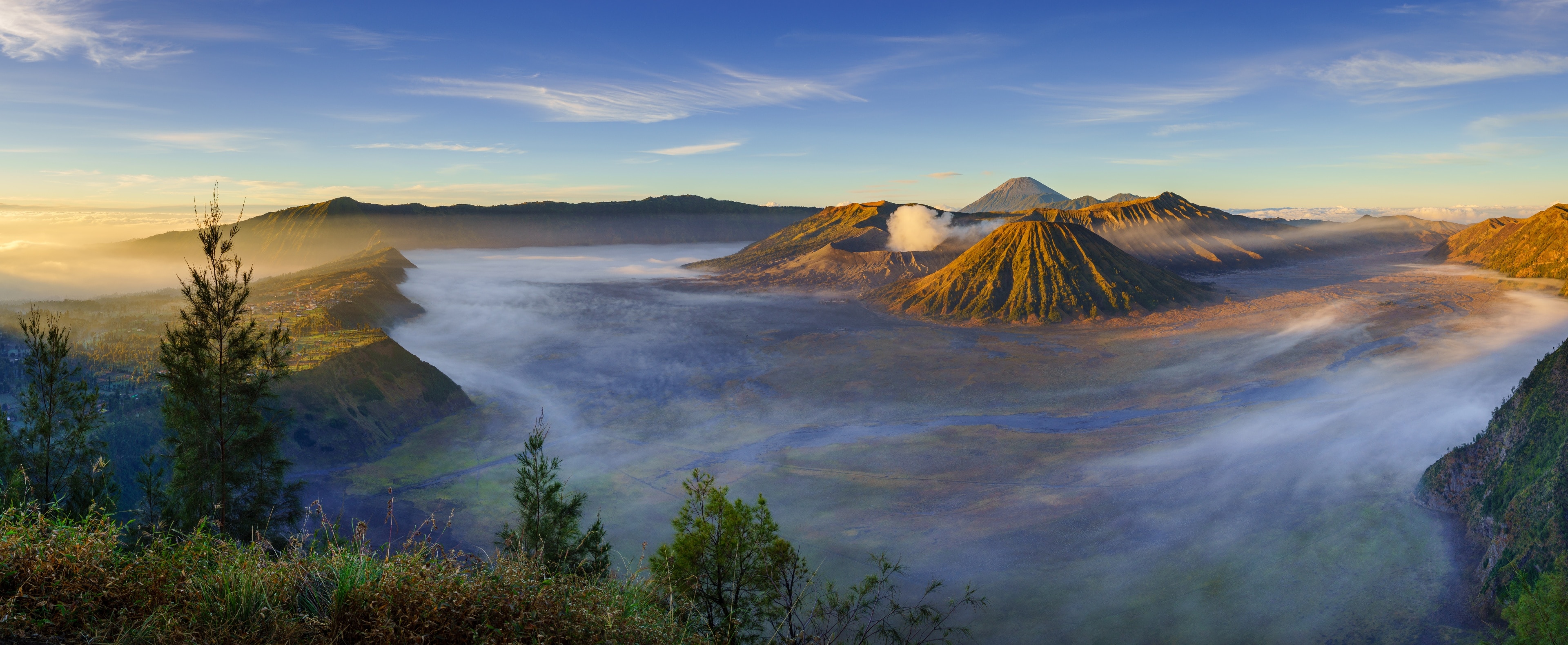
Imagine standing on the rim of an active volcano, watching the sunrise paint the sky in fiery hues, or exploring ancient temples shrouded in mist. East Java, Indonesia, is a land of dramatic landscapes and rich cultural heritage, just waiting to be explored.
Planning a trip to East Java can feel daunting. Where do you even begin? How do you fit all the incredible sights into a manageable timeframe? The sheer variety of options – from volcanic treks to cultural immersion – can leave you feeling overwhelmed and unsure of where to focus your precious vacation time.
This 5-day itinerary is designed to guide you through the very best of East Java, blending breathtaking natural wonders with immersive cultural experiences. We'll take you from the otherworldly landscapes of Mount Bromo to the serene beauty of Tumpak Sewu Waterfall, and delve into the history of ancient temples. This itinerary is perfect for adventurers, culture enthusiasts, and anyone seeking an unforgettable Indonesian experience. Get ready to discover the magic of East Java!
This article outlines a detailed 5-day itinerary exploring the natural beauty and cultural richness of East Java. We'll cover iconic destinations like Mount Bromo and Tumpak Sewu Waterfall, alongside cultural sites and hidden gems. You'll gain a practical understanding of how to plan your trip, including transportation, accommodation, and activities, ensuring a smooth and unforgettable East Java adventure. Key topics covered include volcanic landscapes, waterfalls, ancient temples, and cultural immersion in East Java, Indonesia.
Day 1: Arrival in Surabaya and Transfer to Mount Bromo
Our East Java adventure begins! The target of this Day 1 is to get you settled and ready for the iconic sunrise experience at Mount Bromo. It’s all about logistics and anticipation. We aim to transition you smoothly from your arrival in Surabaya (SUB), the capital of East Java, to the mystical atmosphere of the Bromo-Tengger-Semeru National Park. This day is carefully designed to minimize travel fatigue and maximize your excitement for the days to come.
I remember landing in Surabaya, the air thick with humidity and the sounds of a bustling Indonesian city. After navigating the airport and meeting my driver, the journey to Mount Bromo began. The landscape slowly transformed from urban sprawl to rolling hills and quaint villages. As the sun began to set, the air grew noticeably cooler, and a sense of anticipation filled the car. We arrived at our accommodation near Cemoro Lawang, the village closest to Mount Bromo, just as darkness fell. The silhouette of the volcano loomed in the distance, promising an unforgettable sunrise. The drive was long, roughly 3-4 hours. It's wise to bring entertainment and snacks for the ride. Upon arriving at your accommodation, settle in, have dinner, and get to bed early, as you'll be waking up in the early hours for the Bromo sunrise. Ensure you have warm clothes, a hat, and gloves, as temperatures can drop significantly before dawn.
Day 2: Mount Bromo Sunrise and Madakaripura Waterfall
This day is all about witnessing the majestic sunrise over Mount Bromo and then chasing waterfalls at Madakaripura! Our aim is to create a day filled with awe-inspiring views and refreshing natural beauty. We'll delve into the heart of East Java's landscape, experiencing both the volcanic drama of Bromo and the cascading wonder of Madakaripura Waterfall. This day offers a perfect blend of adventure and scenic delight.
Mount Bromo is an active volcano and part of the Tengger massif, located in East Java, Indonesia. The name "Bromo" is derived from the Javanese pronunciation of Brahma, the Hindu creator god. The volcano stands at 2,329 meters (7,641 feet) and is a popular tourist destination due to its stunning sunrise views and unique volcanic landscape. The best time to visit Mount Bromo is during the dry season, from April to October. During this time, the weather is more predictable, and the skies are generally clearer for sunrise viewing. This is a sacred place for the Tenggerese people, who are local inhabitants of the region. They often conduct ceremonies and offerings at the crater of Mount Bromo. Mount Bromo is not just a natural wonder; it's also a cultural and spiritual site for the Tenggerese people. Their connection to the volcano is deeply rooted in their traditions and beliefs, making a visit here a culturally enriching experience. Always be respectful of local customs and traditions when visiting Mount Bromo.
Day 3: Tumpak Sewu Waterfall and Transfer to Malang
This day focuses on experiencing the breathtaking beauty of Tumpak Sewu Waterfall, often dubbed the "Niagara of Java," before transferring to the vibrant city of Malang. The goal is to witness one of East Java's most spectacular natural wonders and then transition to a new base for further exploration. It's a day packed with visual delights and a change of scenery, setting the stage for the cultural experiences to come.
The history and myth surrounding Tumpak Sewu Waterfall are less documented than those of Mount Bromo, but the waterfall holds a significant place in local folklore. The name "Tumpak Sewu" translates to "a thousand waterfalls" in Javanese, reflecting the cascade's impressive scale and the multitude of streams that comprise it. While specific myths may not be widely known, the waterfall is often regarded with reverence by locals, who see it as a powerful and awe-inspiring force of nature. The sheer scale and raw beauty of Tumpak Sewu contribute to its mystical aura. The thunderous sound of the water, the lush greenery surrounding it, and the mist that fills the air create a sensory experience that feels both exhilarating and humbling. It's a place where one can truly connect with nature and appreciate its power and grandeur. The waterfall is not just a natural wonder; it's a symbol of nature's strength and beauty, inspiring awe and respect in all who visit. Immerse yourself in the natural beauty and respect the power of nature when visiting Tumpak Sewu Waterfall.
Day 4: Malang City Tour and Batu Secret Zoo
Today, we uncover the charm of Malang and its surrounding area, Batu! The aim is to immerse you in the cultural and recreational offerings of this region. We'll explore Malang's colonial architecture, vibrant markets, and then venture to Batu Secret Zoo for a fun and engaging wildlife experience. It's a day designed to be both educational and entertaining, providing a balanced taste of urban and natural attractions.
The hidden secret of East Java, specifically relating to tourism, lies in the region's ability to blend natural beauty with cultural heritage and modern attractions. While Mount Bromo and Kawah Ijen are well-known, the true secret is the abundance of lesser-known destinations that offer unique and authentic experiences. These include hidden waterfalls, traditional villages, and local culinary delights that are often overlooked by mainstream tourism. One such secret is the vast network of coffee plantations in the highlands. Visitors can tour these plantations, learn about the coffee-making process, and sample some of the finest Indonesian coffee. This offers a more intimate and authentic experience compared to the more crowded tourist spots. Exploring the local markets and trying regional specialties like "Rawon" (a rich beef stew) or "Bakso Malang" (Malang-style meatball soup) provides a deeper understanding of the local culture and traditions. These experiences are often more rewarding than simply visiting the popular attractions. The "secret" of East Java lies in its diversity and the opportunity to discover hidden gems that offer a more authentic and enriching travel experience. Seek out these hidden gems and immerse yourself in the authentic culture of East Java.
Day 5: Jodipan Colorful Village and Departure
On our final day, we will have a relaxed morning in Malang and then experience the Jodipan Colorful Village before heading to the airport for your departure. The objective is to leave you with a lasting impression of East Java's vibrant culture and community spirit. We'll end the trip on a high note with a visually stunning experience before your journey home.
Recommendation for your trip to East Java
For an unforgettable 5-day East Java itinerary, I highly recommend prioritizing a combination of iconic landmarks and lesser-known cultural experiences. Focus on including Mount Bromo, Tumpak Sewu Waterfall, and a visit to a local village or market. This blend will provide a well-rounded experience of the region's natural beauty and cultural richness. Consider hiring a local guide for certain excursions, especially for Mount Bromo and Tumpak Sewu. They can provide valuable insights, navigate the terrain safely, and enhance your overall experience. Local guides will enrich your journey and help you discover hidden gems that you might otherwise miss. Allow for flexibility in your itinerary. Unexpected delays can occur due to weather or traffic conditions. Having some buffer time will allow you to adjust your plans and avoid feeling rushed. Flexibility ensures a smoother and more enjoyable trip. Consider the time of year you are traveling. The dry season (April to October) is generally the best time to visit East Java, as the weather is more predictable and there is less chance of rain. However, this is also the peak tourist season, so expect larger crowds and higher prices. The rainy season (November to March) can still be a great time to visit, but be prepared for occasional showers and potentially muddy conditions. Plan your visit according to the best weather and avoid high-traffic times.
Understanding Transportation Options
Getting around East Java requires careful planning, as distances between attractions can be significant. The most common transportation options include hiring a private car with a driver, renting a car yourself, or utilizing public transportation such as trains and buses. Hiring a private car with a driver is often the most convenient option, especially for visiting multiple destinations in a short amount of time. This allows you to relax and enjoy the scenery without having to worry about navigating unfamiliar roads or dealing with local traffic. Renting a car yourself can be a good option if you prefer more independence and flexibility. However, be aware that driving conditions in East Java can be challenging, with narrow roads, heavy traffic, and sometimes unpredictable road conditions. Public transportation is the most budget-friendly option, but it can also be the most time-consuming and inconvenient. Trains are generally a comfortable and reliable way to travel between major cities, but buses can be crowded and uncomfortable, especially on long journeys. Consider your budget, comfort level, and time constraints when choosing your transportation options. For a 5-day itinerary, hiring a private car with a driver is often the best choice for maximizing your time and comfort. Explore different transportation options according to your preferences.
Tips for Planning Your East Java Itinerary
When planning your East Java adventure, prioritize safety. Research potential hazards like volcanic activity or weather conditions, and always heed local warnings. Travel insurance is a must! It can protect you from unexpected medical costs, trip cancellations, or lost belongings. Choose a policy that covers adventurous activities like volcano trekking. Learn a few basic Indonesian phrases. Even simple greetings like "Selamat pagi" (good morning) or "Terima kasih" (thank you) will be appreciated by locals and enhance your interactions. Pack appropriately for varying climates. East Java can be hot and humid during the day, but temperatures can drop significantly at higher altitudes, such as Mount Bromo. Layers are your friend! Bring sunscreen, insect repellent, and any necessary medications. Respect local customs and traditions. Dress modestly when visiting religious sites, and always ask for permission before taking photos of people. Learn about local customs and traditions to ensure respectful interactions. Be prepared for bargaining in markets and tourist areas. Negotiating prices is a common practice, but always do so respectfully and with a smile. Bargaining respectfully can save you money and enhance your shopping experience. Carry cash in Indonesian Rupiah (IDR). While credit cards are accepted in some hotels and restaurants, many smaller establishments and markets only accept cash. Carrying cash will ensure you can make purchases anywhere you go.
Understanding the Local Culture
Delving into the local culture of East Java is key to truly appreciating the region. The people are predominantly Javanese, with a rich heritage of traditions, arts, and customs. Understanding a few basic cultural norms can significantly enhance your travel experience and foster positive interactions with locals. One of the most important aspects of Javanese culture is politeness and respect. Avoid being overly assertive or confrontational, and always speak in a soft and respectful tone. Showing respect for elders and those in positions of authority is also highly valued. Dress modestly, especially when visiting religious sites. This shows respect for local customs and traditions. Learning a few basic Indonesian phrases can go a long way in building rapport with locals. Even simple greetings like "Selamat pagi" (good morning) or "Terima kasih" (thank you) will be appreciated. Be aware of non-verbal communication cues. For example, pointing with your index finger is considered rude. Instead, use your thumb or an open hand. Accepting food or drinks with your right hand is also considered polite. The Javanese are known for their hospitality and warmth. Be open to engaging with locals, learning about their lives, and experiencing their culture firsthand. Immerse yourself in the local culture to enrich your travel experience.
Fun Facts About East Java
East Java is home to the world's largest caldera, the Tengger Caldera, which houses Mount Bromo and several other volcanic peaks. This massive caldera is a testament to the region's dramatic geological history. The Raung Volcano in East Java has a nearly permanent lava lake in its crater, making it one of the few volcanoes in the world with such a feature. This fiery spectacle is a sight to behold. East Java is known as the "City of Flowers" due to its cool climate and abundance of gardens and flower farms. The city boasts a vibrant horticultural scene and is a popular destination for flower lovers. The Karapan Sapi, or bull racing, is a popular traditional sport in Madura, an island off the coast of East Java. These races are a colorful and exciting spectacle, showcasing the strength and agility of the bulls and their jockeys. East Java is home to several ancient temples and historical sites, including the Trowulan Archaeological Site, which was once the capital of the Majapahit Empire, one of the most powerful empires in Indonesian history. These sites offer a glimpse into the region's rich cultural heritage. These fun facts highlight the diverse and fascinating aspects of East Java, from its geological wonders to its cultural traditions and historical significance. Discover the amazing diversity of East Java.
How to Get Around East Java
Navigating East Java requires planning due to its diverse landscapes and spread-out attractions. Hiring a private car with a driver is often the most convenient and efficient option, particularly for exploring multiple destinations within a limited time frame. This allows you to relax and enjoy the scenery without the stress of navigating unfamiliar roads. Renting a car offers greater independence and flexibility, but be prepared for challenging driving conditions, including narrow roads, heavy traffic, and unpredictable road hazards. Ensure you have an international driving permit and are comfortable driving in unfamiliar environments. Public transportation, including trains and buses, is a budget-friendly option, but it can be time-consuming and less comfortable. Trains are generally reliable for traveling between major cities, while buses can be crowded and prone to delays. Consider using ride-hailing apps like Gojek or Grab for shorter distances within cities like Surabaya or Malang. These apps offer a convenient and affordable way to get around. For reaching remote destinations like Mount Bromo or Tumpak Sewu Waterfall, consider joining a tour or hiring a local guide who can arrange transportation and navigate the terrain safely. Choose your transportation wisely to have the best possible experience.
What if Your Plan Change?
Even the most meticulously planned itineraries can encounter unexpected hiccups. The key is to embrace flexibility and be prepared to adapt to changing circumstances. Traffic delays are common in East Java, so factor in extra travel time, especially when traveling between cities. If you encounter a delay, use the opportunity to explore nearby attractions or enjoy a local meal. Weather conditions can also impact your plans, particularly if you're visiting outdoor attractions like Mount Bromo or Tumpak Sewu Waterfall. Check the weather forecast regularly and be prepared to adjust your itinerary if necessary. Have backup plans in mind, such as visiting a museum or historical site instead of an outdoor activity. If you encounter a language barrier, don't be afraid to use gestures or translation apps to communicate with locals. Most people are willing to help, even if they don't speak English fluently. If you experience any health issues, seek medical attention promptly. Pharmacies are readily available in most cities, and hospitals can be found in larger towns. Have travel insurance that covers medical expenses and be aware of the local emergency contact numbers. Remember to stay calm and flexible, and don't let minor setbacks ruin your trip. Embrace the unexpected and enjoy the adventure! Adapt to change in East Java.
Listicle of Must-See Spots in East Java
Here’s a listicle of must-see spots in East Java for an unforgettable experience. First, Mount Bromo for breathtaking sunrise views over the volcanic landscape. Then, Tumpak Sewu Waterfall, also known as the 'Niagara of Java,' to witness cascading waterfalls in a lush jungle setting. Kawah Ijen, where you can see the otherworldly blue fire and turquoise crater lake. Then explore the city of Malang for its colonial architecture, vibrant markets, and delicious street food. Madakaripura Waterfall, hidden in a deep canyon, with its mythical significance and stunning natural beauty. Visit Sukamade Beach, a turtle conservation area, where you can witness turtles laying their eggs. Then, Baluran National Park, known as 'Africa van Java' with savanna landscapes and diverse wildlife. Ijen Crater, hike to the summit for panoramic views and witness the mesmerizing blue fire phenomenon. Explore the ancient temples of Trowulan, remnants of the Majapahit Empire. Conclude with a visit to Jodipan Colorful Village, a vibrant and Instagram-worthy community. These spots will guarantee to make your experience richer.
Question and Answer
Q: What is the best time to visit East Java?
A: The dry season, from April to October, is generally the best time to visit East Java. The weather is more predictable, and there is less chance of rain. However, this is also the peak tourist season, so expect larger crowds and higher prices.
Q: How do I get to Mount Bromo?
A: The most common way to get to Mount Bromo is to fly into Surabaya (SUB) and then hire a car or join a tour to Cemoro Lawang, the village closest to the volcano. The journey takes around 3-4 hours.
Q: What should I pack for a trip to East Java?
A: Pack light, breathable clothing for the warm daytime temperatures, as well as layers for cooler evenings and higher altitudes. Also bring sunscreen, insect repellent, comfortable walking shoes, and a hat.
Q: Is it safe to travel in East Java?
A: East Java is generally a safe place to travel, but it's always wise to take precautions. Be aware of your surroundings, avoid walking alone at night in poorly lit areas, and keep your valuables secure.
Conclusion of East Java Travel Itinerary
East Java offers a captivating blend of natural wonders and cultural richness, making it an unforgettable travel destination. This 5-day itinerary provides a framework for exploring the region's highlights, from the iconic Mount Bromo to the stunning Tumpak Sewu Waterfall. Remember to embrace flexibility, respect local customs, and be prepared for an adventure filled with breathtaking scenery and authentic experiences. Whether you're seeking volcanic landscapes, cultural immersion, or simply a unique travel experience, East Java has something to offer everyone. So pack your bags, prepare for an adventure, and get ready to discover the magic of East Java!
Book Your Journey Today
The magic of Indonesia is waiting — and the best way to experience it is with those who know it best.
At Bara Travel Indonesia, we don’t just show you the sights. We invite you into our world.
🌏 Ready to explore Java, Bali, or Komodo like a local?
📞 Contact us now at barawisata.nl and let’s start planning your dream trip.
✨ Discover Indonesia’s hidden gems — the Bara Travel way.


Comments
Post a Comment